
Learn Together, Faster: Playable Pathways to Stronger Teams

Today we dive into Interactive Scenario Packs for Teaching Teamwork and Collaboration, exploring how flexible, ready-to-run activities transform groups into aligned problem-solvers. You’ll find practical structures, facilitation tips, and stories you can adapt immediately, plus invitations to co-create resources, share experiences, and grow together.

Why Scenarios Beat Slides for Real Team Skills

Static presentations rarely build coordination under pressure. Interactive scenario packs simulate constraints, ambiguity, and interdependence, helping learners practice communication, negotiation, and mutual support in conditions that mirror real projects. When people decide, act, and debrief together, insights stick, behaviors shift, and confidence grows.

Design Blueprint for Impactful Packs

Start with authentic situations your learners face, define observable teamwork behaviors, and build decision points that force trade-offs between speed, quality, and inclusion. Layer optional twists for replay value, and prepare debrief questions aligned to objectives, organizational culture, and measurable performance outcomes.

Facilitation Flow: Before, During, After

Great outcomes depend on thoughtful setup, energetic presence, and disciplined reflection. Prepare context and roles upfront, orchestrate timeboxes and check-ins during play, and close with actionable commitments. Small tweaks in pacing, visibility, and questioning turn a good activity into a transformative group experience.

Measuring Growth and Making It Visible

Progress becomes motivational when learners can see change. Combine lightweight rubrics, peer feedback, and facilitator observations with pre- and post-session self-assessments. Track indicators like meeting efficiency, risk escalation speed, and cross-team throughput to demonstrate impact and justify continued investment in practice.

01

Behavioral Rubrics that People Respect

Describe observable behaviors on a spectrum from emerging to exemplary, and share examples. Invite teams to co-calibrate what good looks like for listening, summarizing, and decision stewardship. When participants help define criteria, their buy-in increases and reflection moves from abstract opinions to useful action.

02

Data You Can Collect Without Friction

Use quick pulse checks, dot voting, and short forms embedded in the scenario. Capture timestamps for decisions, volume of options generated, and fairness of participation. Lightweight evidence reduces fatigue and still reveals meaningful patterns leaders can use to support targeted coaching and recognition.

03

Tell the Story Behind the Numbers

Quantitative trends motivate, but narratives create meaning. Invite teams to annotate metrics with short reflections and customer vignettes. Show the human results of improved collaboration, like reduced rework or faster handoffs, so stakeholders connect the data to outcomes that matter externally.
Digital, Hybrid, and In-Person Delivery

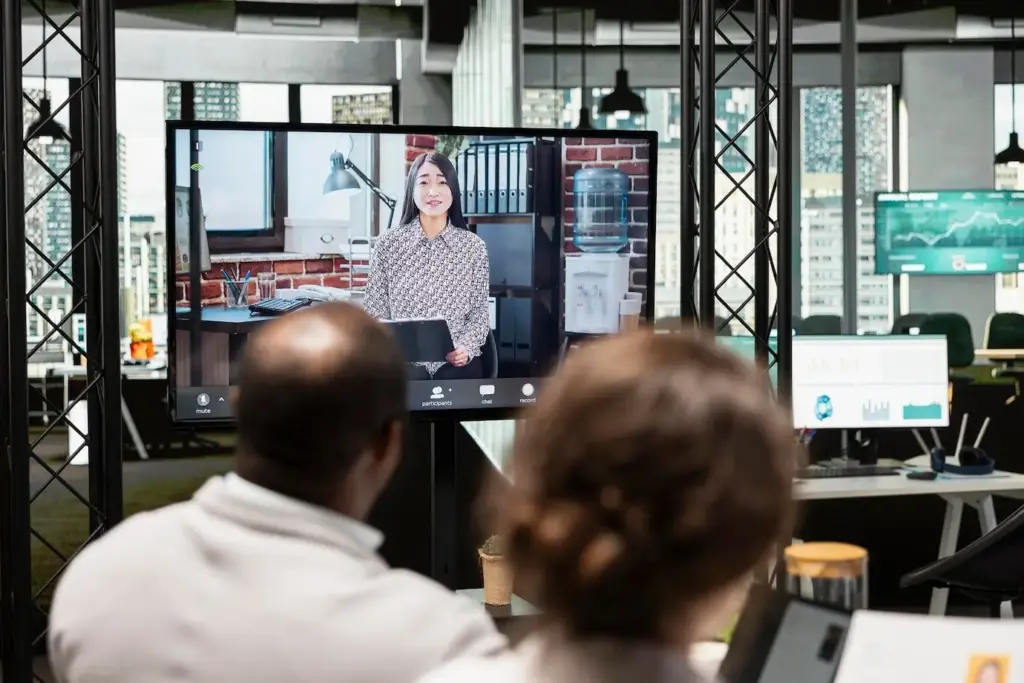
Scenario packs thrive across modalities. In virtual rooms, use breakout logic, collaborative canvases, and simplified branching within video tools. In person, leverage physical props, movement, and tactile timers. Hybrid sessions need clear visibility rules and role clarity to prevent remote participants from becoming observers.

Stories from the Field and Next Steps

Results come alive through people. A product team reduced release delays after running a prioritization scenario that revealed hidden dependencies. A hospital unit improved handoffs by practicing escalation scripts. Borrow what works, then share your experiments so we can learn and improve collectively.
Zopolapoxexamikirakepuri
Privacy Overview

This website uses cookies so that we can provide you with the best user experience possible. Cookie information is stored in your browser and performs functions such as recognising you when you return to our website and helping our team to understand which sections of the website you find most interesting and useful.